
Introduce
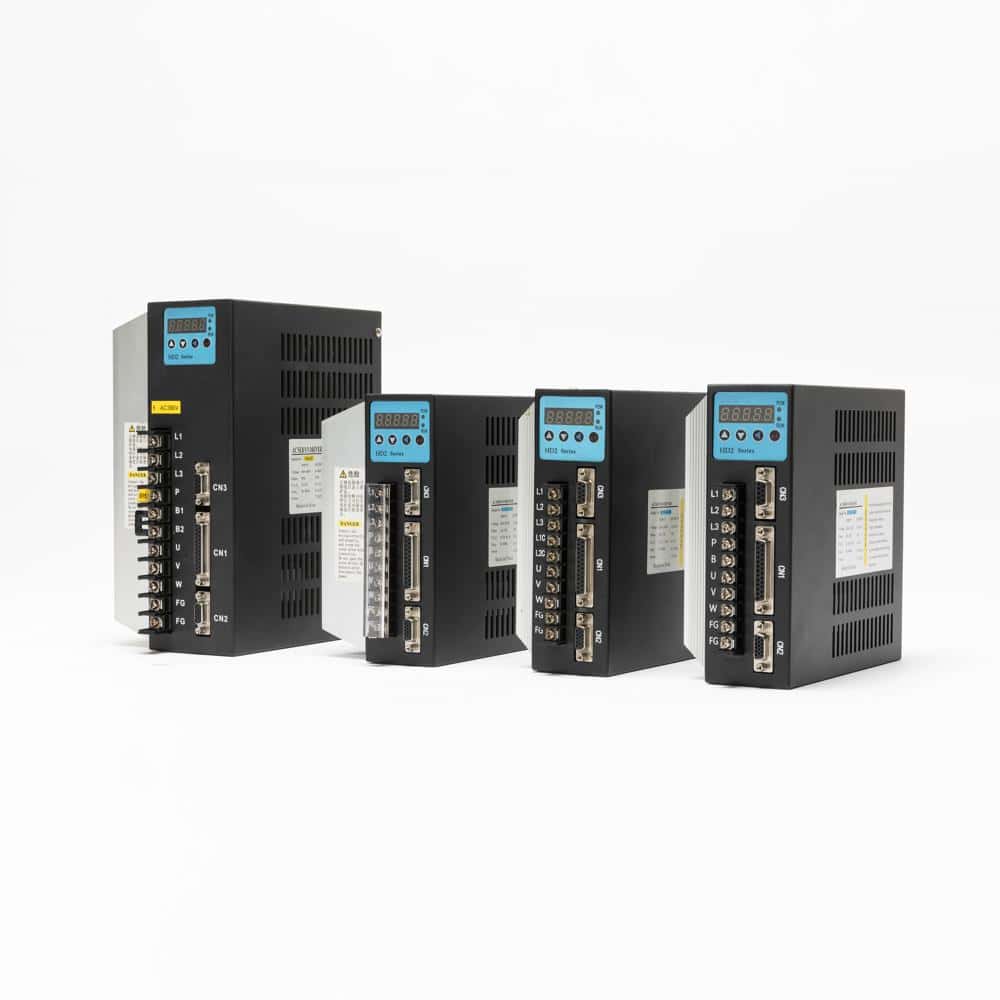
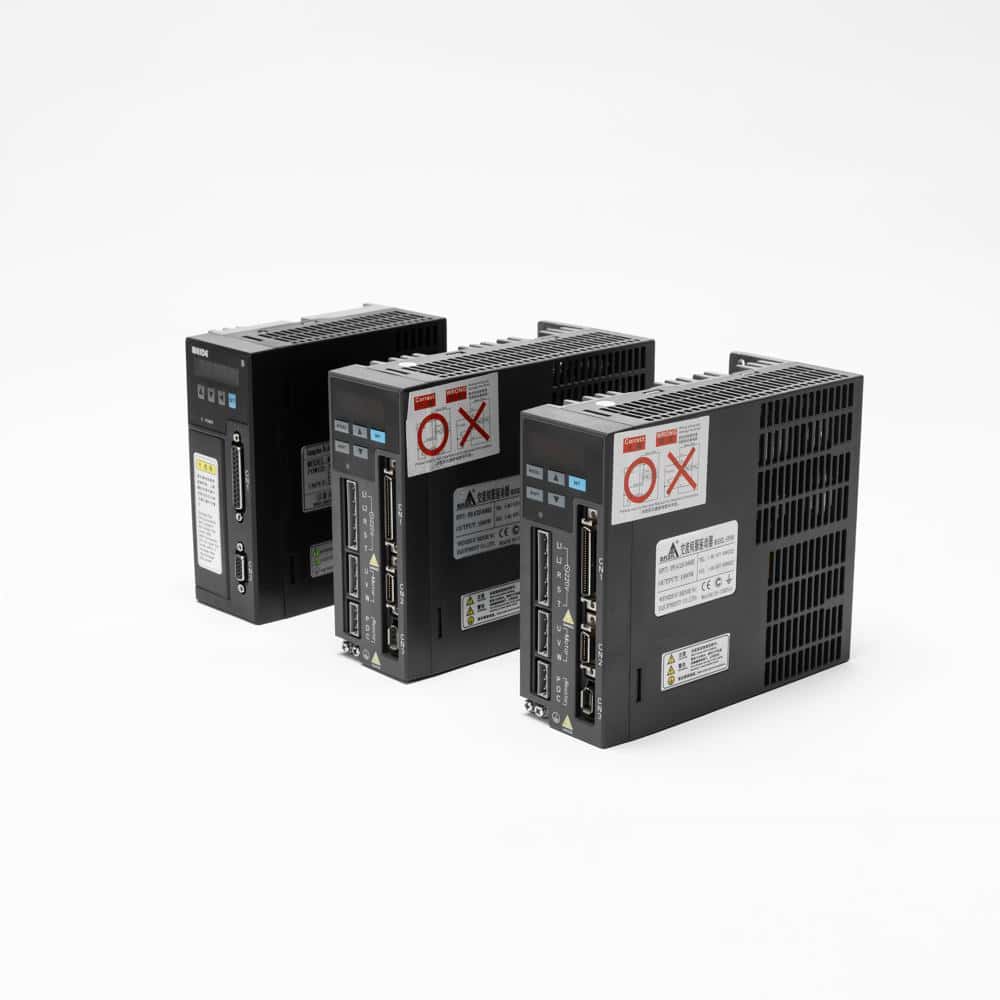
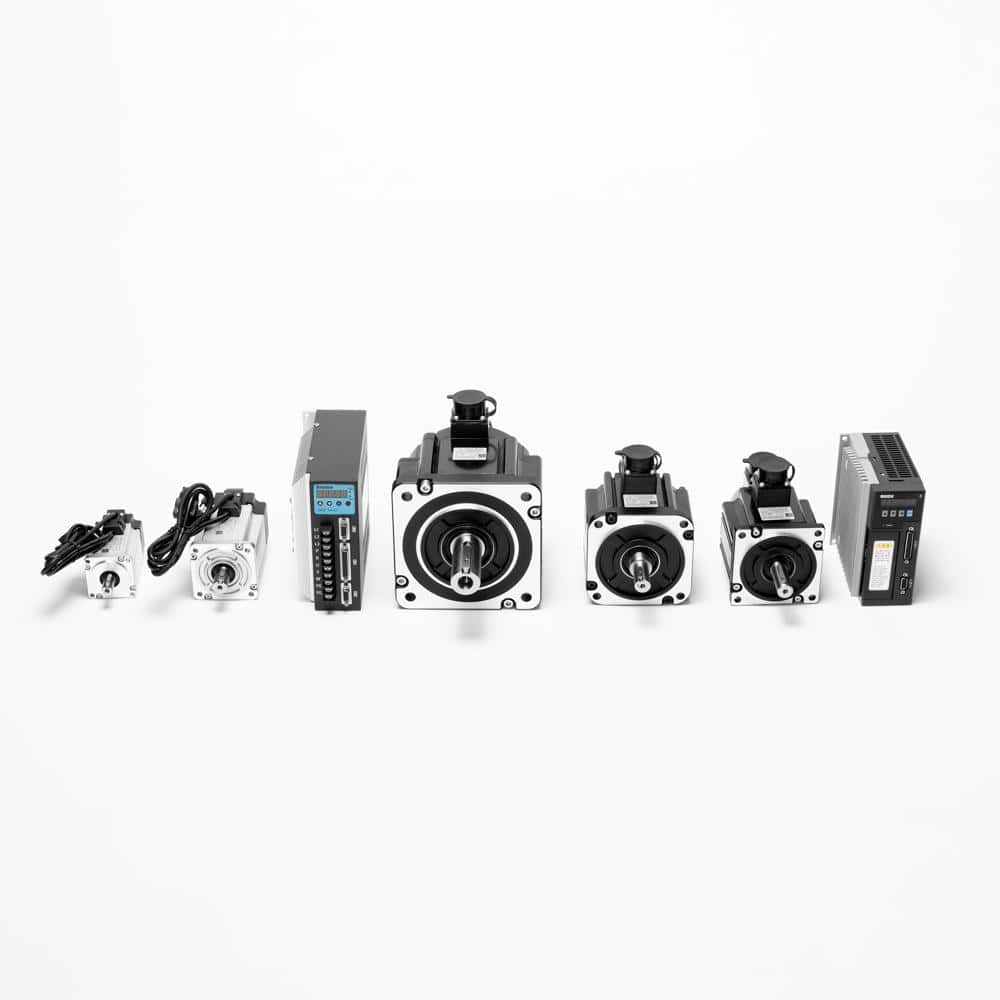
A servo drive, also known as a servo controller or servo amplifier, is a controller used to control servo motors. Similar to how a VFD controls a standard AC motor, a servo drive is a component of a servo system and is primarily used in high-precision positioning systems. It typically controls servo motors through position, speed, and torque, enabling highly accurate transmission system positioning.
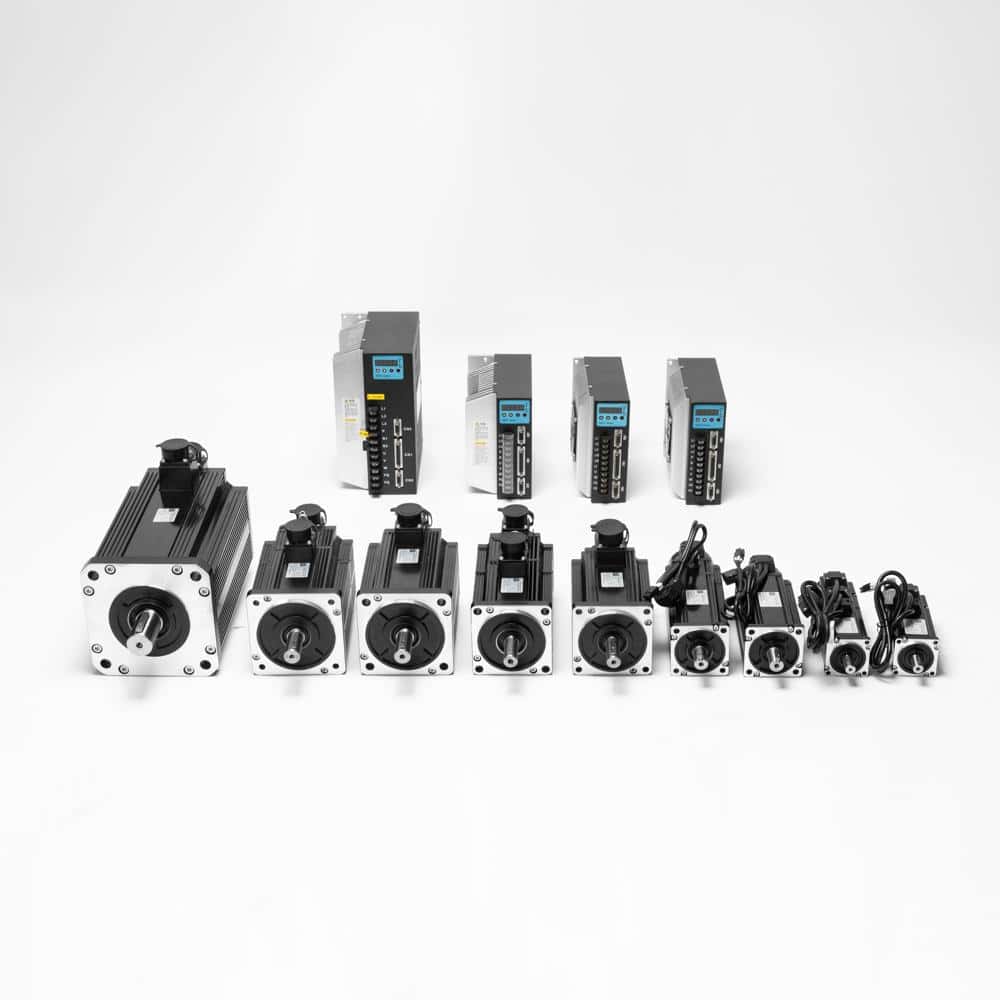
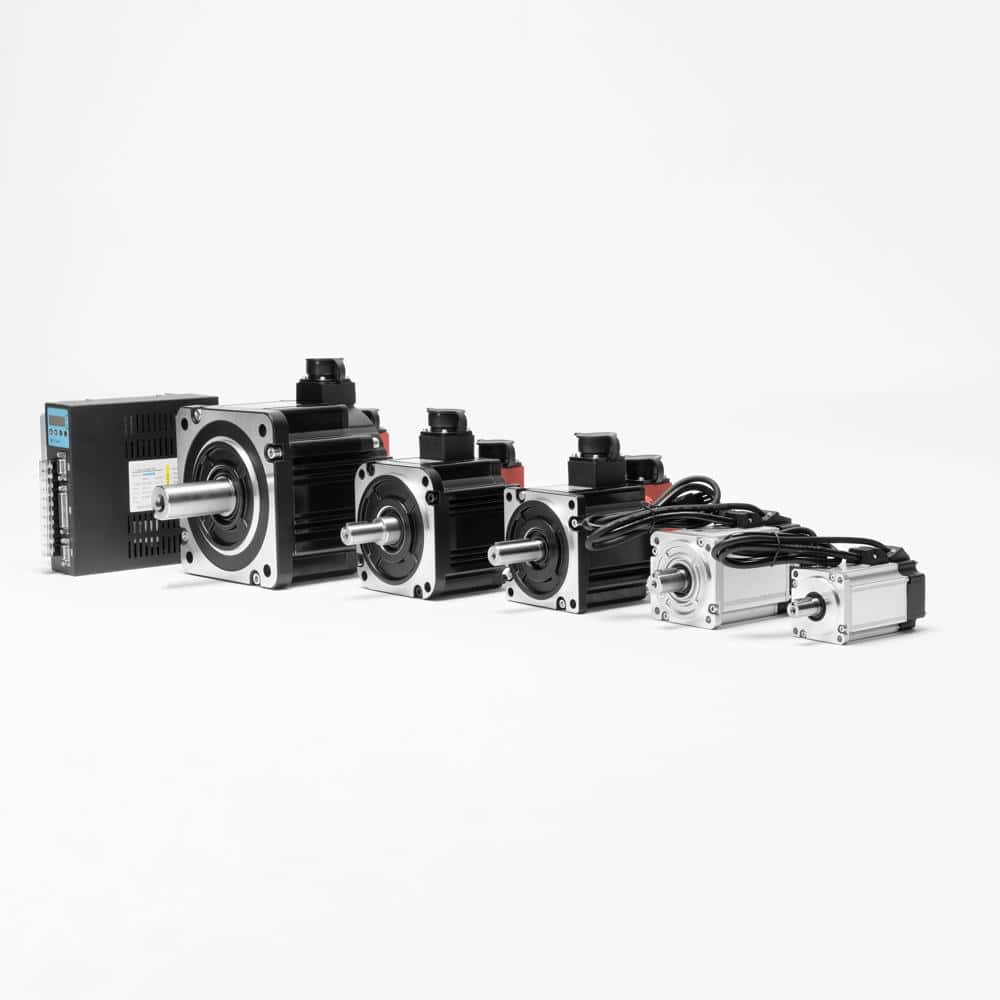
TorqueBank servo motors can be paired with selected drive configurations based on the control platform, motion requirements and machine layout.
Primary control options include EtherCAT, Pulse/Direction and CANopen. Selected drive models are also available with Analog ±10 V or Modbus RTU for specific control and integration requirements.
Interface availability varies by drive series. The motor, drive and control interface are therefore confirmed as part of the application review.
Primary Control Interfaces
EtherCAT
For coordinated multi-axis motion and EtherCAT-based automation platforms.
EtherCAT configurations are suited to machines requiring fast cyclic communication, synchronized motion and centralized parameter access. Typical applications include packaging machinery, material-handling systems, indexing equipment and multi-axis production machinery.
Pulse/Direction
For direct position commands from a PLC, motion controller or pulse-output module.
Pulse/Direction is a practical choice for standalone axes and machines that do not require a fieldbus network. It is commonly used for feeding, indexing, positioning and adjustment mechanisms.
CANopen
For CAN-based machine networks, compact motion systems and distributed control architectures.
CANopen configurations are suitable where the machine controller communicates with individual motion nodes over a CAN network. Typical applications include compact industrial equipment, distributed machine modules and selected mobile equipment.
EtherCAT and CANopen are separate drive configurations. Availability should be confirmed for the selected drive series.
Additional Control & Integration Options
Analog ±10 V
Available on selected drive models for analog speed or torque commands.
This option is primarily intended for retrofit projects, standalone speed or torque control, and existing controllers that use a conventional analog command signal.
Modbus RTU
Available on selected drive models for parameter access, monitoring, diagnostics and non-time-critical commands.
Modbus RTU can support integration with PLCs, HMIs and existing serial communication networks. It is not intended for tightly synchronized multi-axis motion.
Application-Specific Configuration
Not every machine fits a standard motor-and-drive package.
For application-specific projects, TorqueBank can coordinate the motor, encoder, brake, cabling and control interface within one configuration process. This is particularly useful when developing a compact motion axis, adapting an existing machine platform or evaluating a new motion architecture.
Requirements can be reviewed from the prototype stage. Where changes are needed, their effects on technical feasibility, testing and production can be evaluated early. This helps provide a practical path from sample validation to a repeatable production configuration.
Drive Selection
The drive is selected as part of the complete motion system. To confirm a suitable configuration, we normally review:
- motor voltage and power rating
- rated and peak current
- required speed and torque
- control mode: position, speed or torque
- encoder type and resolution
- brake requirements
- PLC or motion controller
- required control or communication interface
- available installation space
- cable and connector requirements
Reviewing these details early helps ensure that the motor, drive and control interface fit the machine architecture without adding unnecessary hardware or functions.
For a configuration review, provide the motor requirements, controller platform, preferred interface and basic application details.
Drive Selection
The drive is selected as part of the complete motion system. To confirm a suitable configuration, we normally review:
- motor voltage and power rating
- rated and peak current
- required speed and torque
- control mode: position, speed or torque
- encoder type and resolution
- brake requirements
- PLC or motion controller
- required control or communication interface
- available installation space
- cable and connector requirements
Reviewing these details early helps ensure that the motor, drive and control interface fit the machine architecture without adding unnecessary hardware or functions.
For a configuration review, provide the motor requirements, controller platform, preferred interface and basic application details.