
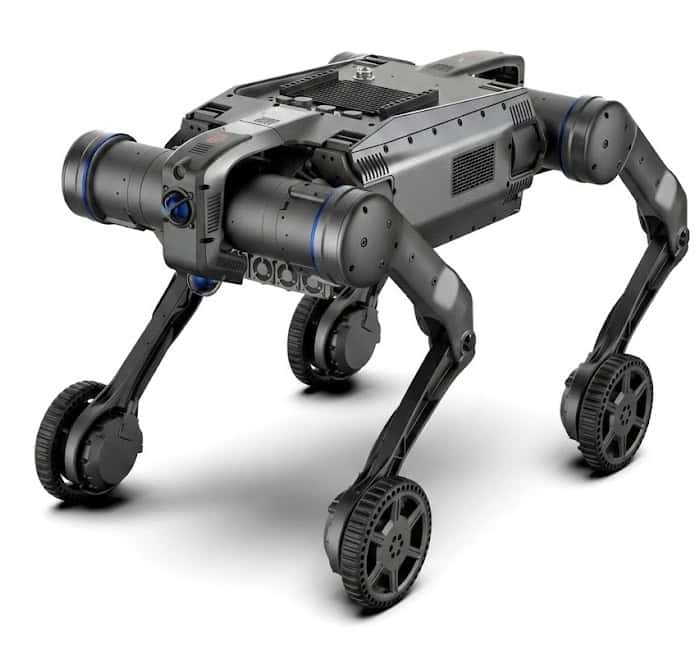
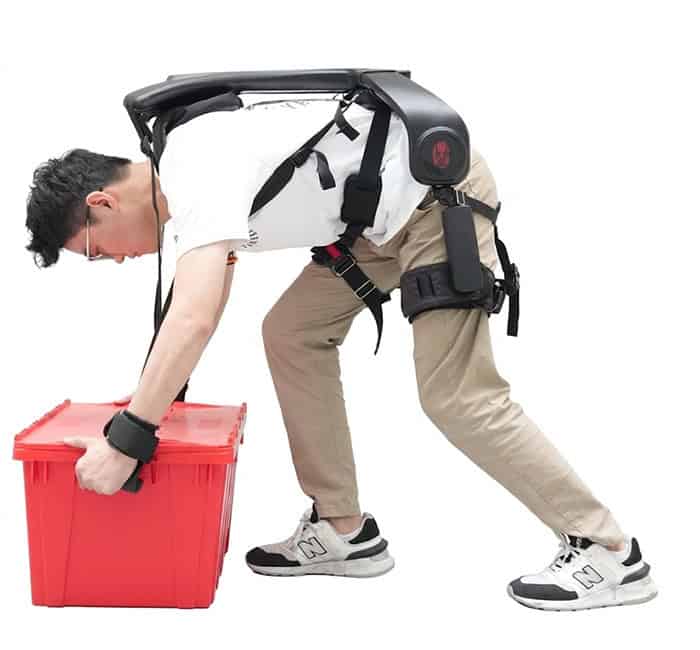
Frameless torque motors are increasingly used in robotics joints and exoskeleton actuators because they fit direct-drive architectures more naturally than conventional motor-and-gearbox assemblies. In applications where precision, compact size, low backlash, and smooth torque output matter, the motor itself becomes part of the mechanical structure rather than a separate packaged component.
What Makes Frameless Torque Motors Different
A frameless torque motor is supplied as a stator and rotor set without a traditional housing, shaft, or bearing arrangement. This allows the motor to be integrated directly into the customer’s joint or actuator structure.
Compared with conventional geared systems, this architecture can reduce transmission complexity, save installation space, and improve system stiffness. It also helps avoid some of the backlash, noise, and maintenance issues commonly associated with gearbox-based solutions.
Why They Fit Robotics Joints and Exoskeleton Actuators
In robotics joints, frameless torque motors are valued because they support compact direct-drive layouts and high torque density within limited installation space. They can also improve positioning accuracy and motion smoothness, both of which are important in multi-axis robotic systems.
In exoskeleton actuators, the design requirements are even more sensitive. Engineers must balance torque output, weight, thermal behavior, structural stiffness, and ergonomic constraints at the same time. Frameless motors are often selected because they give more freedom to shape the actuator around the mechanical and human-use requirements of the product.
Why Customization Matters
In both robotics and exoskeleton projects, standard motor dimensions rarely match the final design perfectly. Joint geometry, load paths, cable routing, thermal limits, and envelope constraints often vary from one project to another.
For this reason, frameless motor development is usually application-specific. The real engineering task is not simply choosing a motor, but balancing torque, size, stiffness, thermal performance, and integration requirements within the actuator design.
TorqueBank’s Frameless Motor Approach
TorqueBank develops frameless motor solutions for projects where standard catalog platforms are not sufficient. Current efforts are focused on robotics joint actuators, exoskeleton drive units, and selected direct-drive applications that require application-based customization.
For readers exploring this topic from a project perspective, the related article on TorqueBank’s custom frameless motor solutions for robotics and exoskeletons can also be used as a supporting internal reference.